Being told a tooth needs a root canal can feel unsettling, but modern endodontic care is focused on relief, preservation, and comfort. Root canal therapy removes diseased tissue from inside a tooth, eliminates infection, and allows you to keep a natural tooth that would otherwise require extraction. In most cases the procedure ends the persistent pain and restores normal function so you can get back to eating and speaking without worry.
Our approach is precise and patient-centered. At the office of The Dental Loft at Perry Hall we combine contemporary techniques with careful communication so you understand each step of treatment. We prioritize minimizing discomfort and protecting the long-term health of the tooth and surrounding structures.
Keeping a natural tooth whenever possible is usually the best option for oral function and facial structure. A tooth preserved with root canal treatment continues to provide normal chewing forces and helps maintain adjacent teeth in their proper positions. Avoiding extraction reduces the need for more invasive restorative work later, such as bridges or implants, and helps maintain bone health in the jaw.
Root canal therapy has a strong record of success when performed and restored properly. With careful cleaning, disinfection, and sealing of the internal canal system, most treated teeth remain functional for many years. Long-term outcomes depend on the quality of the treatment and the protective restoration placed afterward, which is why coordinated care between endodontic treatment and final restoration is essential.

Choosing to save a tooth also preserves the natural appearance of your smile. When a tooth is maintained rather than removed, you avoid the cosmetic and functional challenges that can follow tooth loss. This conservative philosophy supports both short-term recovery and long-term oral health.
Inside every tooth is the dental pulp — a small collection of nerves, blood vessels, and connective tissue that supports development and alerts you to problems. When bacteria reach this tissue through decay, cracks, or trauma, the pulp can become inflamed or die. That process may cause symptoms that range from subtle to severe.
Not every symptom means root canal therapy is required, but persistent or worsening changes should prompt evaluation. Sometimes a tooth shows few or no symptoms but appears compromised on an X-ray; other times, discomfort or visible changes make the problem obvious. Early diagnosis increases the chance of a straightforward, predictable outcome.
Regular dental exams and timely attention to warning signs help us identify and treat affected teeth before issues escalate. If you notice unusual sensitivity, discoloration, swelling, or pain that interferes with sleep or normal eating, schedule an exam so we can determine whether root canal therapy or another treatment is the right course.
Although symptoms vary, common indicators that a tooth may require root canal care include:
Ongoing pain that does not ease with time or that awakens you at night often signals deeper involvement. While many conditions can cause dental discomfort, pain that intensifies when lying down, chewing, or without an obvious trigger is a red flag and warrants prompt assessment.
When temperature changes provoke prolonged, sharp sensations even after the stimulus is removed, the nerve inside the tooth may be inflamed. This lingering sensitivity differs from temporary sensitivity caused by short-term irritation and should be evaluated.
Discomfort localized to a single tooth when you bite or when pressure is applied often indicates that the tooth’s internal tissues are compromised or that inflammation has spread to surrounding structures.
A change in a tooth’s color after injury or gradually over time can mean the internal tissues have been damaged. Darkening alone does not always require treatment, but it is an important sign we evaluate alongside other findings.
Structural damage can expose inner tissues to bacteria and contaminants. Even when a crack appears minor, it can compromise the pulp and necessitate internal treatment to prevent infection and stabilize the tooth.
Swelling, a tender bump on the gum, or pus drainage indicates the body is responding to infection. These signs require prompt attention because the infection can spread and may require both root canal therapy and medication to resolve.
If a tooth feels mobile after being stable, the supporting bone or periodontal ligament may be affected by infection or inflammation. Treating the source of infection often improves stability as healing takes place.

Delaying care when a tooth is compromised increases the likelihood of more extensive treatment and a less predictable prognosis. An infection that begins in the pulp can spread to the root tip and surrounding bone, potentially causing greater tissue damage and more complex therapy. Early intervention often limits infection, reduces discomfort, and makes restorative work simpler.
Some teeth with irreversible pulp damage show few outward symptoms and are discovered during routine exams or on radiographs. Even without clear pain, these teeth can still harbor infection that undermines bone and other structures. Regular dental checkups help detect such problems before they threaten adjacent teeth.
Timely treatment also preserves more of the natural tooth structure and reduces the risk of complications that could ultimately lead to extraction. When preservation is the goal, acting sooner rather than later gives you the best chance of maintaining a healthy, functional tooth for years to come.
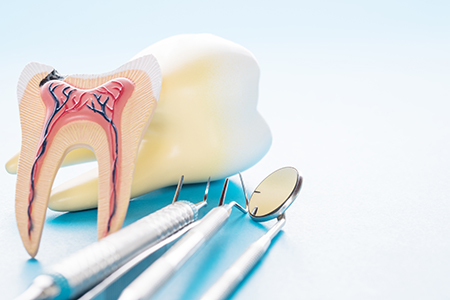
Modern root canal therapy is a conservative procedure carried out with local anesthesia to keep you comfortable. We start by isolating the tooth with a rubber dam to maintain a clean, dry working area. The dentist accesses the internal chamber, gently removes diseased tissue, and carefully cleans and shapes the canal system using specialized instruments and irrigation solutions.
Some cases are straightforward and can be completed in a single visit; others require multiple appointments if the canals are complex or if an active infection needs management. The length of treatment depends on the tooth’s anatomy, the number of canals, and the condition present at the time of care. Throughout treatment we explain each step so you know what to expect.
Once canals are cleaned and disinfected, they are sealed with a biocompatible filling material to prevent reinfection. After root canal therapy is complete, the tooth typically needs a protective restoration — often a crown — to restore full strength and function. Coordinating that final restoration is an important part of the treatment plan.
For patients who experience anxiety, additional comfort options can be discussed. Our focus is to deliver treatment in a calm, reassuring manner while using techniques that promote a successful outcome and a smooth recovery.
After a root canal you’ll typically feel numb for a short period while the local anesthetic wears off. Mild soreness or tenderness around the treated tooth and surrounding tissues is common for a few days as healing begins. Over-the-counter pain relievers and careful eating habits usually manage these symptoms effectively.
Following treatment it’s important to protect the tooth until a permanent restoration is placed. Temporary fillings are useful, but the remaining tooth structure can be vulnerable to fracture without a full crown or suitable restoration. Avoid hard or sticky foods on the treated side and follow the timeline recommended by your dentist for the final restoration.
Good oral hygiene and routine dental checkups support the longevity of treated teeth. With appropriate restoration and regular maintenance, a tooth that has undergone root canal therapy can serve you for many years—even a lifetime.
After the appointment you may feel numb for an hour or two. Take care not to bite lips, cheeks, or the tongue until feeling returns. Avoid very hot foods and beverages until normal sensation is restored.
Mild to moderate tenderness is normal and typically resolves over several days. If discomfort persists or intensifies, contact the office for further guidance so we can make sure healing is progressing as expected.
If antibiotics or other medications are prescribed, follow the instructions carefully and complete the course as directed. Medications help manage infection and support an uncomplicated recovery when indicated.
While a temporary filling is in place, chew on the opposite side and avoid hard foods that could fracture the tooth. Schedule the recommended appointment for a crown or permanent restoration to restore full strength.
Continue brushing and flossing daily to maintain oral health. Gentle care around the treated tooth supports healing and prevents new problems from developing.
Placing the permanent crown or restoration in a timely manner protects the treated tooth and restores normal function. Your dentist will help coordinate this step so you regain confidence in biting and chewing.
With appropriate treatment, restoration, and regular follow-up, root canal therapy offers a reliable way to resolve infection and preserve your natural tooth. Our team at the office of The Dental Loft at Perry Hall is committed to delivering careful, evidence-based care that supports lasting oral health.
If you have questions about root canal therapy or are experiencing symptoms that concern you, please contact us for more information and to arrange an evaluation.
A root canal is a dental procedure that removes infected or inflamed pulp from inside a tooth. The goal of treatment is to eliminate infection, relieve pain, and preserve the natural tooth structure. By cleaning, disinfecting, and sealing the internal canal system, the tooth can continue to function without ongoing discomfort.
Root canal therapy is recommended when decay, cracks, or trauma allow bacteria to reach the pulp and cause irreversible damage. Without treatment, infection can spread to the root tip and surrounding bone, potentially leading to an abscess or tooth loss. Early diagnosis and treatment increase the likelihood of a predictable, conservative outcome.
Root canal therapy saves the natural tooth by removing diseased tissue while leaving the hard outer tooth structure intact. Preserving the tooth maintains normal chewing forces, supports adjacent teeth, and helps protect jawbone volume. When a treated tooth receives a protective restoration, it can restore full function and appearance without the need for extraction.
At the office of The Dental Loft at Perry Hall we coordinate endodontic treatment with restorative planning so the tooth receives a durable seal and an appropriate crown when needed. This coordinated approach reduces the need for more invasive replacements and supports long-term oral health. Maintaining a natural tooth often yields the most predictable functional and cosmetic results.
Common signs that a tooth may require root canal care include persistent or worsening toothache, prolonged sensitivity to hot or cold, and pain when biting. Changes such as tooth darkening, swelling of the gums, or a draining bump are also important warning signs. Some teeth show few outward symptoms yet appear compromised on X-rays, which is why regular dental exams are important.
Not every symptom means a root canal is required, but progressive or recurrent changes warrant prompt evaluation to prevent escalation. Your clinician will combine your symptoms with clinical tests and radiographs to determine whether the pulp can be saved or if treatment is necessary. Early intervention typically simplifies therapy and improves the prognosis.
Root canal treatment is performed with local anesthesia to keep you comfortable, and patients generally feel only mild pressure or vibration during the procedure. The tooth is isolated with a rubber dam, the pulp chamber is accessed, and specialized instruments and irrigants are used to clean and shape the canals. Thorough disinfection and three-dimensional sealing of the canal space help prevent reinfection.
Some cases are completed in a single visit, while complex anatomy or active infection may require multiple appointments and interim medication. After the canals are sealed, the tooth typically needs a permanent restoration—often a crown—to restore strength and function. Your dentist should explain each step and answer questions so you know what to expect during and after treatment.
After a root canal you may experience mild soreness or tenderness for a few days while tissues heal, and over-the-counter pain relievers usually control discomfort. Avoid chewing hard or sticky foods on the treated side until a permanent restoration is placed to reduce the risk of fracture. Protecting the temporary filling and scheduling the follow-up restoration promptly are important steps in recovery.
Continue good oral hygiene with gentle brushing and flossing around the treated tooth to support healing and prevent new problems. If antibiotics or other medications are prescribed, follow directions and complete the course as instructed. Contact the office if swelling, severe pain, or persistent drainage occurs so the clinician can reassess healing and provide guidance.
Modern root canal therapy is designed to relieve pain rather than cause it, and procedures are performed under local anesthesia to minimize discomfort. Many patients compare the experience to having a routine filling, with only mild pressure or vibration during treatment. Dentists also offer comfort measures and can discuss sedation options for patients with dental anxiety.
Some post-treatment soreness is normal as surrounding tissues recover, but this usually subsides within a few days with conservative care. If pain worsens or does not improve, a follow-up evaluation is recommended to ensure proper healing. Effective pain control and clear communication help make the experience manageable for most patients.
The length of a root canal appointment varies with the tooth’s anatomy and the complexity of the infection, commonly ranging from about 45 minutes to 90 minutes per visit. Single-rooted teeth are often treated in one visit, while multi-rooted molars or cases with active infection may require additional time and appointments. Your clinician will estimate the expected number of visits based on clinical findings and imaging.
Scheduling also considers the timing of the final restoration, since coordinating with a crown or permanent filling requires additional appointments. Prompt placement of a protective restoration after root canal therapy reduces fracture risk and preserves long-term function. Your dentist will outline the treatment timeline and follow-up steps so you can plan accordingly.
Alternatives to root canal therapy typically include extraction of the affected tooth followed by replacement options such as a dental implant, bridge, or removable partial denture. Extraction eliminates the infected tooth but introduces additional considerations about adjacent teeth, bone preservation, and long-term function. Replacing a missing tooth often requires further procedures and coordination between dental specialists.
In some early cases a tooth may be treated conservatively with procedures such as a pulpotomy or direct pulp capping, but these approaches depend on the extent and nature of the injury and are not suitable for irreversible pulp damage. The best option is determined after a clinical exam and radiographs, with the goal of preserving oral health and function whenever feasible. Your dentist will explain the pros and cons of all reasonable alternatives to help you make an informed decision.
Both general dentists and endodontists provide root canal therapy; many general dentists treat straightforward cases while endodontists are specialists who manage complex canal anatomy, retreatments, and challenging infections. Endodontists complete additional training in diagnosing and treating pulp and root-related conditions and often use specialized tools and techniques when necessary. Your dentist will refer to an endodontist if a case requires advanced care or if particular anatomic or diagnostic challenges are present.
Working together, a general dentist and an endodontist coordinate treatment and the final restoration to achieve the best outcome for the tooth. Referral decisions are based on clinical complexity, patient comfort, and the long-term restorative plan rather than a one-size-fits-all rule. Clear communication between providers helps ensure the tooth receives both effective internal treatment and an appropriate protective restoration.
Successful long-term outcomes depend on thorough cleaning and sealing of the canal system, placement of a high-quality permanent restoration, and regular dental maintenance to monitor the treated tooth. Timely placement of a crown or other protective restoration preserves remaining tooth structure and reduces the risk of fracture or reinfection. Consistent oral hygiene and routine checkups allow early detection of any issues and support the durability of the treatment.
At The Dental Loft at Perry Hall we prioritize evidence-based techniques and coordinated restorative care to maximize the longevity of treated teeth while keeping patients informed throughout the process. Follow-up appointments and periodic radiographs help confirm healing and let the team address concerns promptly. With appropriate treatment and maintenance, many root canal–treated teeth remain functional for many years.
Our practice helps every patient achieve a healthy, confident smile with personalized, compassionate care in a comfortable, modern environment.