At the practice of The Dental Loft at Perry Hall, keeping children's smiles healthy and resilient is our central mission. We combine evidence-based preventive care with a child-centered approach so young patients leave appointments feeling informed and confident. Our goal is to help families build lifelong habits that support strong teeth, healthy gums, and positive experiences with dental care.

Early habits matter: the routines a child learns around brushing, flossing, and nutrition shape oral health for years to come. Practical, age-appropriate guidance helps parents introduce brushing and flossing in ways that kids can understand and follow. We emphasize clear, achievable steps—short brushing sessions with a soft brush, supervised flossing when teeth touch, and routines that become as automatic as bedtime.
We focus on making hygiene positive rather than punitive. Techniques that turn oral care into a game or a shared family activity increase compliance and reduce resistance. Our team provides demonstrations and customized tips so parents feel equipped to support their child’s home care between visits. Small, consistent actions at home are the single most effective way to prevent cavities and gum problems.
Behavioral guidance is tailored to each developmental stage. For infants, this may mean a gentle wipe of gums after feedings; for toddlers, a short, two-minute brushing routine with a pea-sized amount of fluoride toothpaste; and for older children, instruction in effective flossing and independence. We help families move gradually toward self-care while keeping safety and technique front of mind.
Beyond brushing and flossing, diet plays a major role in daily prevention. We help parents understand how frequency and types of snacks affect tooth enamel and recommend strategies—like water as the primary beverage and structured snack times—to reduce cavity risk without eliminating enjoyable foods.
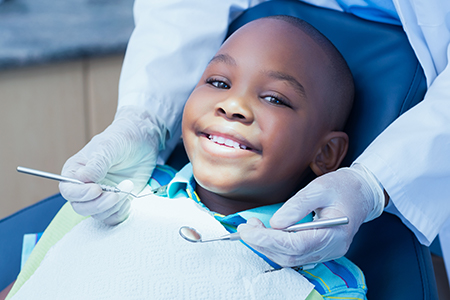
Regular dental exams allow us to monitor growth, identify issues early, and intervene before problems escalate. During a visit we review medical and dental history, visually inspect teeth and gums, and assess bite and jaw function. These routine checkpoints give us a clear picture of how your child’s mouth is developing and where preventive measures can be most effective.
When appropriate, we use digital radiographs to see between teeth and under the surface of the bone. These images are taken selectively and interpreted carefully to detect hidden decay, evaluate the position of developing teeth, and monitor jaw growth. Diagnostics help us provide targeted care while minimizing exposure and focusing on what’s necessary.
Cleanings performed by our hygienists remove plaque and calculus that daily brushing can miss, and they provide an opportunity for personalized coaching. Each recall interval is individualized based on risk: some children benefit from more frequent monitoring, while others do well with standard twice-yearly visits. We always combine clinical findings with family goals to recommend the most appropriate schedule.
Preventive tools such as topical fluoride and dental sealants are practical, minimally invasive ways to reduce decay risk. Fluoride strengthens enamel and can be applied in-office as an efficient adjunct to home care. Sealants are thin protective coatings applied to the chewing surfaces of molars to block deep grooves where food and bacteria collect.
We evaluate each child’s individual risk profile before recommending preventive treatments. For kids at higher risk of cavities, these measures can substantially lower the chance of future decay and the need for restorative work. Our approach prioritizes comfort and long-term benefit, aiming to preserve natural tooth structure whenever possible.
Establish early dental visits and maintain regular recall appointments
Adopt age-appropriate brushing and flossing routines and supervise young children closely
Limit sugary drinks and frequent snacking; favor water and nutrient-rich foods
Protect teeth during sports with a properly fitted mouthguard
Discourage prolonged bottle or sippy-cup use with anything but water, particularly at bedtime
Offer gentle, consistent support to help children stop thumb or pacifier habits at an appropriate age
Bring concerns or changes in your child’s mouth to our attention promptly so we can evaluate them
Primary teeth are more than placeholders—they support eating, speech, and jaw development. The first teeth typically emerge in infancy, and early dental care sets the stage for long-term oral health. Pediatric guidelines recommend a dental visit by the time a child’s first tooth appears or around their first birthday so families can get practical guidance and a baseline exam.
At early visits we address common caregiver questions about teething, safe cleaning techniques, and feeding practices that reduce decay risk. Simple habits—wiping gums after feedings, avoiding prolonged exposure to sugary liquids, and using a soft infant brush—can significantly lower the chance of early childhood cavities.
Teething can be uncomfortable, but there are safe, evidence-based comfort measures: chilled teething rings, gentle gum massage, and close monitoring for persistent symptoms that may warrant further evaluation. We help families distinguish normal teething behavior from signs that require attention, such as prolonged fever or severe refusal to eat.
As teeth come in, we track eruption patterns and offer anticipatory advice so parents know what to expect next. Early partnership with a dental team creates continuity of care and helps prevent small issues from becoming more complex later on.
Facial growth and jaw development are central to long-term function and smile alignment. We routinely observe bite relationships and tooth position during exams so potential concerns can be identified early. Spotting developing alignment problems early gives families more options and may reduce the need for extensive treatment later.
An orthodontic check is often recommended when early signs—such as asymmetry, severe crowding, or crossbites—appear. While not every child needs early intervention, timely evaluation allows us to advise families about the optimal timing for orthodontic care and any interim steps that might help guide growth in a favorable direction.
If a baby tooth is lost prematurely due to decay or trauma, space maintenance may be recommended to keep room for the permanent tooth to erupt. Our team coordinates closely with orthodontic specialists when multidisciplinary input will yield the best long-term outcomes for a child’s bite and facial development.
Children’s busy lives—including sports and playground adventures—mean dental injuries do happen. A properly fitted mouthguard is a simple, effective device to protect teeth and soft tissues during contact sports and many recreational activities. We discuss options and recommend protection based on your child’s activities to reduce the chance of traumatic dental injuries.
When accidents occur—chipped teeth, displaced teeth, or oral lacerations—timely assessment is important. Our approach emphasizes immediate stabilization when needed and careful planning to restore function while preserving healthy tooth structure. We provide clear guidance on what to do at home right after an incident and will evaluate the child promptly to determine the appropriate next steps.
Other common urgent issues include toothaches and infections that can disrupt sleep, school, and daily life. Our team assesses symptoms thoroughly to address pain, control infection when present, and create a plan to resolve the underlying cause. Preventive care and early treatment reduce the likelihood of many of these emergency scenarios.
We partner with parents to create individualized care plans that reflect each child’s health, behavior, and activity level. This practical planning helps families feel prepared and confident in keeping active children safe while supporting healthy dental development.
In summary, pediatric dental care is about prevention, early detection, and practical support for families as children grow. From first teeth through adolescence, our team focuses on evidence-based care, clear communication, and gentle, child-friendly treatment. If you have questions or would like more information about pediatric dental services, please contact us for details and guidance.
Children should see a dentist by the time their first tooth appears or around their first birthday, whichever comes first. Early visits establish a baseline for oral development, allow caregivers to ask practical questions, and help the child become comfortable in the dental setting. These appointments emphasize prevention and education rather than extensive treatment, so families leave with clear, actionable guidance.
At the initial visit the clinician will review health history, perform a gentle oral exam, and demonstrate safe cleaning techniques for infants. Caregivers receive advice on feeding practices, teething comfort measures, and how to reduce early childhood cavity risk. Building this early partnership supports long-term oral health and positive experiences with dental care.
Start with age-appropriate tools and expectations: use a soft, small-headed brush for infants and toddlers and a pea-sized amount of fluoride toothpaste once teeth touch. Supervise brushing until a child can reliably spend two minutes cleaning with good technique, and introduce flossing when adjacent teeth begin to contact. Making oral care a predictable part of morning and bedtime routines helps it become habitual.
Positive reinforcement and playful techniques increase cooperation; try singing a short song, using a timer, or brushing together as a family. Demonstrations by your dental team can clarify proper technique and show parents how to manage resistance without turning hygiene into punishment. Consistency at home is the single most effective preventive step against cavities and gum problems.
Fluoride is a well-established, evidence-based tool that strengthens enamel and helps prevent decay when used appropriately. Daily use of a fluoride toothpaste in the recommended amounts and professional topical applications when indicated provide effective protection, especially for children at higher risk of cavities. Systemic fluoride guidance should follow local public health recommendations and your child's medical history.
Our team at The Dental Loft at Perry Hall evaluates each child's risk profile before recommending in-office fluoride varnish or other preventive measures. We counsel parents on proper toothpaste amounts, supervised brushing to minimize swallowing, and the role of community water fluoridation. When used correctly, topical fluoride is a safe and important part of a comprehensive prevention plan.
Dental sealants are thin, protective coatings applied to the chewing surfaces of molars to block grooves where food and bacteria collect. They are most effective on newly erupted permanent molars and premolars but can also be appropriate for children with elevated cavity risk on primary molars. Sealants are quick to place, noninvasive, and can substantially reduce the likelihood of cavities in vulnerable surfaces.
Placement begins with cleaning and drying the tooth, followed by applying a bonding agent and the sealant material that hardens into a protective barrier. The dental team monitors sealant integrity at routine visits and can reapply or repair them if necessary. Deciding who benefits most from sealants is based on each child's exam findings and decay risk.
Modern dental radiography uses very low radiation doses, especially with digital sensors, and images are ordered selectively based on clinical need and the child's developmental stage. X-rays reveal decay between teeth, growth patterns, and the position of unerupted teeth—information that cannot be obtained through visual exam alone. Protective measures such as lead aprons and thyroid collars are used when imaging is taken to further reduce exposure.
Frequency of radiographs is individualized: children with active decay or developmental concerns may need images more often, while low-risk children require them less frequently. Clinicians weigh the diagnostic benefit against minimal exposure and discuss the reasoning with caregivers before proceeding. Careful, targeted use of X-rays helps detect problems early and informs appropriate preventive or restorative care.
Creating a calm, predictable experience is central to reducing dental anxiety in children; teams use child-friendly explanations, the tell-show-do method, and gradual exposure to new procedures. Staff work to build trust by allowing children to meet the clinician, see instruments, and participate in small steps before any treatment begins. Positive reinforcement, distraction techniques, and clear expectations help most kids cope with routine care.
For children with significant fear or special behavioral needs, the practice offers additional behavior guidance and may suggest scheduling strategies or coping tools to improve comfort. In rare cases when these approaches aren’t sufficient, the dental team will discuss safe, evidence-based options to manage anxiety and ensure necessary care can be delivered. The overall goal is to support lifelong positive attitudes toward oral health.
Any child who participates in contact or collision sports should wear a mouthguard to protect teeth, lips, and soft tissues from injury. A properly fitted mouthguard absorbs and redistributes impact forces, reducing the risk of chipped or knocked-out teeth and injuries to the jaw. Coaches and parents should make mouthguard use a routine part of team safety equipment for activities like football, hockey, lacrosse, and even recreational skateboarding or biking.
Stock and boil-and-bite guards provide some protection, but a custom-fitted mouthguard made by a dental professional offers the best fit, comfort, and retention. Custom guards can be tailored to orthodontic appliances when present and are more likely to be worn consistently because they fit better and are easier to breathe and speak with. Your dentist can recommend the right type based on your child's sport and dental development.
For traumatic injuries, immediate steps depend on the type of injury: control bleeding with gentle pressure, apply a cold compress to reduce swelling, and seek urgent dental care for chipped, displaced, or knocked-out teeth. If a permanent tooth is completely avulsed, handle it by the crown, rinse briefly without scrubbing, and keep it moist in milk or saliva while seeking immediate professional attention; timely replantation can improve outcomes. For primary (baby) teeth, do not replant a knocked-out tooth and consult your dentist for safe management.
Severe toothaches, swelling, or signs of infection such as fever warrant prompt evaluation to relieve pain and prevent complications. The dental team will assess symptoms, control infection when present, and develop a plan that preserves healthy tooth structure whenever possible. Preventive care and early intervention reduce the risk of many urgent dental problems, so report changes or new symptoms to the dental office without delay.
Routine pediatric dental exams include observation of jaw growth, tooth eruption patterns, and bite relationships so clinicians can identify early signs of malalignment or functional problems. Early evaluation is recommended when asymmetry, severe crowding, crossbites, or prolonged thumb-sucking affect dental development. Identifying these issues early provides families with more options and can sometimes simplify or shorten future orthodontic treatment.
Not every child requires immediate orthodontic intervention, but timely referral to an orthodontic specialist is advised when growth guidance or interceptive treatment could improve outcomes. The dental team collaborates with orthodontists to coordinate space maintenance, monitor missing or early-losing primary teeth, and plan any needed phased care. Clear communication and follow-up ensure treatment timing aligns with each child’s unique growth trajectory.
The standard interval for routine exams and cleanings is typically every six months, but recall frequency is individualized based on a child’s cavity risk, development, and medical history. Some children with elevated risk factors or active decay benefit from more frequent visits, while low-risk children may maintain health with regular twice-yearly care. These visits allow the team to remove plaque and calculus, apply preventive treatments when indicated, and reinforce home-care habits.
During each recall appointment clinicians reassess risk, update preventive recommendations such as topical fluoride or sealants, and provide age-appropriate coaching for caregivers. A consistent recall schedule supports early detection of problems and helps avoid more invasive treatment later. Families and clinicians work together to set a recall plan that balances thorough monitoring with the child’s comfort and needs.
Our practice helps every patient achieve a healthy, confident smile with personalized, compassionate care in a comfortable, modern environment.