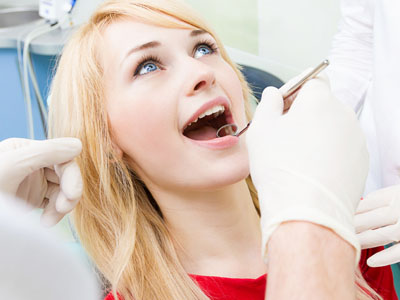
At the office of The Dental Loft at Perry Hall, we take a forward-looking approach to oral health: prevention and early detection are the most reliable ways to protect your smile. Regular oral exams form the foundation of that approach. During these appointments, we not only inspect teeth and gums but also perform professional cleanings, screen for oral cancer, and provide practical guidance on at-home care, nutrition, and healthy habits. Our goal is to catch small problems before they grow into larger ones and to help every patient maintain a functional, comfortable, and confident mouth.
Your first comprehensive exam is designed to create a clear picture of your current oral health and any risk factors that could affect it in the future. We begin by reviewing your medical and dental histories and talking through any concerns or symptoms you’ve noticed. This conversation helps us tailor the clinical portion of the exam to your unique needs and priorities, whether that means focusing on restorative concerns, cosmetic goals, or preventive strategies.
The clinical exam includes a careful inspection of each tooth, the supporting bone and soft tissues, and the areas around the mouth, head, and neck. We evaluate bite relationships and jaw function, look for signs of bruxism (clenching or grinding), and assess gum health. When appropriate, we’ll recommend diagnostic images to reveal conditions that can’t be seen with the naked eye, and we’ll explain why each image is useful for planning your care.
After we complete the exam and review any radiographs, our team will outline findings in plain language and discuss recommended next steps. If further treatment is indicated, we present options and explain the benefits and risks of each approach so you can make informed decisions. Throughout the visit, our focus is on clear communication, comfort, and building a treatment plan that aligns with your goals.

Oral exams do more than preserve teeth and gums; they help protect whole-body health. The mouth is connected to the rest of the body in many ways, and changes in oral tissues can reflect systemic conditions. During a routine exam, we screen for early signs of disease and monitor for changes that could signal broader health concerns, allowing for timely intervention or referral when necessary.
Scientific research increasingly shows links between oral disease and systemic conditions. Chronic inflammation in the mouth, for example, has been associated with an elevated risk for cardiovascular problems, complications of diabetes, and respiratory concerns. By identifying and controlling oral sources of inflammation, we can help reduce potential contributors to these broader health issues.
We also screen for signs that may indicate underlying medical problems, such as persistent dry mouth, oral lesions, or unusual tissue changes. Many systemic diseases produce oral symptoms before they appear elsewhere, so a thoughtful oral exam can be a valuable part of overall health monitoring. If we observe anything that warrants medical attention, we’ll communicate our findings clearly and recommend appropriate next steps.
Professional cleanings and individualized preventive care are cornerstones of long-term oral health. Even patients who practice excellent home care benefit from periodic professional hygiene because dental professionals can remove hardened tartar and reach areas that are difficult to access with routine brushing and flossing. Removing plaque and calculus limits the bacteria that drive cavities and gum disease, helping preserve natural teeth and periodontal stability.
During hygiene visits, our registered hygienists provide more than scaling and polishing. We take the time to assess your home-care routine and offer evidence-based instruction tailored to your needs—whether that means technique adjustments, product recommendations, or targeted preventive treatments. For many patients, a few small changes at home result in measurable improvements in gum health and reduced need for restorative work over time.
Preventive care also includes age-appropriate guidance for children and monitoring for orthodontic concerns as jaws and teeth develop. Early habits set the stage for lifelong oral health, so we emphasize education that encourages positive routines from the start. For adults, we also discuss risk factors—such as tobacco use, certain medications, and dietary choices—and outline practical steps to minimize their effects on oral tissues.
Diagnostic images are an essential complement to the visual exam because they reveal the underlying structures that support teeth and oral tissues. Digital radiography lets us capture high-quality images quickly with lower radiation exposure than older film techniques. These images help us detect decay between teeth, evaluate bone levels around teeth, locate infections, and assess the development and position of unerupted or impacted teeth.
There are several types of images we may use, depending on the clinical question at hand:
Periapical x-ray — A focused view showing the entire length of an individual tooth and the adjacent bone.
Bitewing x-ray — A close-up look at the crowns of back teeth, ideal for spotting early decay between teeth.
Full mouth series — A comprehensive set of periapical and bitewing images that document the condition of all teeth.
Panoramic film (panorex) — A broad 2D view of both jaws and surrounding structures that helps assess tooth development and bone health.
Cephalometric film — A profile image used primarily in orthodontic assessment of facial and jaw relationships.
For complex cases and precise surgical planning, three-dimensional imaging such as cone-beam computed tomography (CBCT) can be invaluable. CBCT produces detailed 3D reconstructions of teeth, jaws, and surrounding anatomy that assist with implant planning, evaluation of pathology, and other advanced diagnostic needs. We recommend these technologies only when they add clear diagnostic value and help us deliver safer, more predictable outcomes.
After an exam and any needed imaging, we translate findings into a clear plan focused on prevention, comfort, and long-term function. If we identify early signs of decay, gum inflammation, or tissue changes, we outline treatment options in straightforward terms and recommend the least invasive, most effective path forward. When advanced care is required, we explain why and walk you through each step of the process so you know what to expect.
Continuity of care is important. We track changes over time with charts and images so that small shifts in health don’t go unnoticed. For many patients, regular six-month visits are sufficient to maintain stability; others with higher risk may benefit from more frequent monitoring. We’ll work with you to establish an interval that fits your oral health needs and lifestyle.
Our team is committed to education and collaboration. We encourage patients to ask questions, request demonstrations of home-care techniques, and discuss any habits or health conditions that could affect oral tissues. With clear information and a tailored plan, most patients can prevent major problems and preserve healthy, attractive smiles for years to come.
In short, a comprehensive oral exam is more than a routine check — it’s a proactive investment in your health. The Dental Loft at Perry Hall and our team provide thorough exams, modern imaging, preventive care, and clear guidance so you can make informed choices about your oral health. Contact us if you would like more information about our oral exam process or how to establish a preventive care plan that fits your needs.
A comprehensive oral exam is a thorough clinical evaluation that assesses the health of your teeth, gums, and supporting structures. Its primary goals are prevention, early detection of disease, and the development of a personalized plan to maintain function and comfort. These exams allow the dental team to identify small problems before they progress into more complex issues.
A typical exam includes inspection of each tooth, evaluation of gum health, and assessment of bite and jaw function. Clinicians also screen soft tissues for abnormalities and review dental and medical histories to identify risk factors. When necessary, diagnostic imaging is added to reveal concerns that cannot be seen visually.
Your first comprehensive exam begins with a review of your medical and dental history and a conversation about any symptoms or concerns you have. This dialogue helps the clinician prioritize areas of focus and tailor the clinical exam to your unique needs. Expect the team to ask about medications, previous dental treatment, and lifestyle habits that affect oral health.
The clinical portion involves a close inspection of teeth, periodontal tissues, and the surrounding oral and facial structures. The dentist will evaluate bite relationships, check for signs of wear or bruxism, and palpate the jaw and neck as indicated. If radiographs or other images are useful, the team will explain which images are being recommended and why.
For many patients, scheduling oral exams every six months provides the right balance between preventive care and monitoring. This interval supports routine cleaning, plaque control, and tracking of small changes over time. However, individual needs vary based on health status and risk.
People with gum disease, a history of extensive dental work, chronic medical conditions, or certain medications may need more frequent visits. Smokers and patients with poorly controlled diabetes, for example, often benefit from shorter recall intervals and closer monitoring. Our team in Nottingham, MD will recommend an interval that aligns with your oral health risks and lifestyle.
Yes—oral cancer screening is a standard component of a comprehensive exam and involves a visual and tactile evaluation of the oral mucosa. The clinician inspects the lips, cheeks, tongue, floor of mouth, and other soft tissues for lesions, color changes, or areas that do not heal. Palpation of the neck and lymph nodes may also be performed when indicated.
Early detection greatly improves treatment options and outcomes, so any suspicious findings are documented and monitored closely. If a lesion or abnormality warrants further investigation, the team will explain next steps, which may include biopsy or referral to a specialist. Clear communication about findings and follow-up is a priority to ensure timely care.
Diagnostic imaging complements the clinical exam by revealing the condition of tooth roots, supporting bone, and other structures that are not visible to the eye. Common images used include periapical and bitewing radiographs, panoramic views, and full-mouth series depending on the diagnostic need. Each type of image answers specific clinical questions, such as detecting interproximal decay or assessing bone levels around teeth.
Digital radiography reduces radiation exposure and allows the team to view and enlarge images quickly for patient education and treatment planning. Three-dimensional cone-beam computed tomography (CBCT) is reserved for complex assessments like implant planning or evaluation of pathology when higher detail is required. The dental team will recommend only the images that add clear diagnostic value for your care.
Preventive services during an oral exam visit typically include professional cleaning to remove plaque and hardened tartar that brushing and flossing cannot eliminate. Hygienists perform scaling and polishing and assess periodontal pockets to determine gum health. These procedures reduce bacterial load and help prevent cavities and periodontal disease from progressing.
Additionally, patients receive individualized home-care instruction, product recommendations, and targeted preventive treatments when appropriate. Education often focuses on brushing technique, interdental cleaning, and dietary habits that influence oral health. Small, evidence-based changes at home can lead to measurable improvements and reduce the need for restorative treatment over time.
Oral exams contribute to whole-body health because changes in the mouth can reflect systemic conditions and chronic inflammation may influence other organ systems. Research links uncontrolled oral inflammation with elevated risks for cardiovascular disease, complications of diabetes, and respiratory conditions. By identifying and addressing oral sources of inflammation early, clinicians can help mitigate potential contributors to these broader health concerns.
Exams also detect oral manifestations of medical conditions, such as dry mouth, mucosal lesions, or unusual tissue changes that may precede other symptoms. When findings suggest an underlying medical issue, the dental team communicates clearly and recommends collaboration or referral to appropriate medical providers. This coordinated approach supports timely diagnosis and management of systemic health problems.
After the exam and any imaging, the dental team explains findings in clear, patient-centered language and outlines recommended next steps. Options are presented with attention to their risks, benefits, and goals so patients can make informed choices about their care. At The Dental Loft at Perry Hall, clinicians prioritize conservative, evidence-based approaches and tailor plans to each patient's preferences and health needs.
Continuity of care is emphasized through scheduled monitoring, comparisons of prior images, and documentation of changes over time. Some patients maintain stability with routine six-month recall intervals, while others require more frequent visits based on risk. The team partners with patients to establish a long-term plan aimed at preserving function, comfort, and aesthetics.
Oral exams for children and teenagers focus on growth, development, and the prevention of common pediatric problems. Clinicians monitor tooth eruption patterns, jaw development, and early signs of orthodontic concerns as the smiles evolve. Education for parents and young patients emphasizes age-appropriate hygiene techniques and the establishment of healthy habits.
Preventive measures such as fluoride application and dental sealants are considered when appropriate to reduce decay risk in primary and permanent molars. Habits like thumb-sucking, mouth breathing, and prolonged pacifier use are also addressed because they can influence development. Early intervention and consistent monitoring help set the stage for lifelong oral health.
To prepare for your oral exam, bring an up-to-date list of medications and any recent changes to your medical history, along with notes about symptoms or concerns you want to discuss. Being ready with questions helps the team address your priorities and tailor the visit to your goals. If you have recent dental images or records from another provider, bringing them can streamline diagnosis and planning.
Maintain your usual oral hygiene before the appointment, but avoid strong-flavored foods that could interfere with a soft-tissue exam. If you experience dental anxiety, mention it when scheduling so the team can provide support and make the visit more comfortable. Clear communication and preparation help ensure the exam is efficient, thorough, and informative.
Our practice helps every patient achieve a healthy, confident smile with personalized, compassionate care in a comfortable, modern environment.