At The Dental Loft at Perry Hall we do everything possible to preserve natural teeth, but sometimes removal is the safest path to protect your oral health and overall well‑being. Extractions are recommended only after a careful assessment shows that saving the tooth would leave you at greater risk for infection, pain, bite problems, or damage to neighboring teeth. Our goal is always to restore comfort and function while minimizing disruption to your smile.
Decisions about extraction are never made in isolation. We combine a thorough clinical exam with imaging and an evaluation of your medical history so that each recommendation is tailored to your needs. This patient‑centered approach helps ensure that an extraction, when needed, is performed with the best possible outcome in mind.
Understanding why an extraction may be suggested helps patients feel more confident in treatment. Below are the most common reasons extractions are recommended, along with a short explanation of how each situation can affect oral development, comfort, and long‑term health.
Primary (baby) teeth that are not shedding properly, are badly decayed, or are interfering with development
Most baby teeth fall out as permanent teeth erupt. When a primary tooth becomes stuck, severely decayed, or fused to the jawbone, it can block normal eruption and cause alignment problems. Removing an over‑retained tooth can prevent crowding and guide the permanent tooth into its proper position.
Permanents with extensive decay that cannot be restored
When cavities progress unchecked, they can destroy so much tooth structure that crowns, fillings, or root canal therapy are no longer viable options. In these cases, extraction stops the spread of infection and prevents further damage to adjacent teeth and tissues.
Severe fractures or cracks that compromise tooth integrity
Teeth that are fractured below the gumline or have complex root involvement may not be salvageable. If a tooth cannot be predictably reconstructed or restored to safe function, removal may be the most predictable, comfortable solution.
Advanced periodontal (gum) disease that undermines support
Periodontal disease is a leading cause of tooth loss in adults. When bone and soft tissue supporting a tooth are significantly diminished, the tooth may loosen or cause recurrent infection. Extracting a compromised tooth can help control disease progression and protect surrounding teeth.
Third molars (wisdom teeth) that are impacted, decayed, or causing problems
Wisdom teeth are the last to erupt and often lack sufficient space. Impacted or poorly positioned third molars can damage adjacent teeth, cause pain, or create chronic infection. Early removal is sometimes recommended to avoid later complications.
Teeth removed as part of orthodontic planning
When the jaws cannot comfortably accommodate all permanent teeth, selective extractions may be part of an orthodontic plan to achieve stable alignment and a functional bite. These decisions are made in collaboration with your orthodontist to support the best long‑term result.

Before any extraction, we perform a comprehensive assessment that includes a review of your medical history, an oral exam, and diagnostic imaging such as digital radiographs. These steps allow us to evaluate root shape, surrounding bone, proximity to nerves or sinuses, and any signs of infection. A clear plan is created so you know what to expect and can make informed choices about your care.
Local anesthesia is used for nearly all extractions to ensure the area is numb and the experience is comfortable. For patients who feel anxious or for more complex procedures, we can discuss sedation options to help you relax. If a case requires advanced surgical access or there are complicating medical factors, we may recommend referral to an oral and maxillofacial surgeon.
Extractions are commonly described as either simple or surgical. Simple extractions are performed when a tooth is fully visible and easily accessed; surgical extractions are used when the tooth is broken down, impacted, or requires bone removal or sectioning to remove safely. Your treatment plan will explain which approach is appropriate and why.
When a tooth is visible and the roots are straightforward, a simple extraction is usually the best option. After numbing the area with a local anesthetic, your dentist will gently loosen the tooth and use appropriate instruments to remove it with minimal trauma to the surrounding bone and soft tissues. The procedure is typically quick, and most patients recover in a few days.
Surgical extractions are recommended when a tooth is impacted, fractured at the gumline, or fused to the bone. This procedure may involve a small incision in the gum and conservative removal of a bit of bone to access the tooth. Sutures may be placed to aid healing. If needed, we coordinate care with an oral surgeon to ensure specialized treatment is provided in a safe, well‑controlled setting.
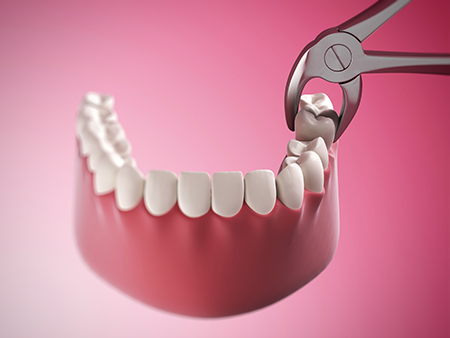
Preparation starts with clear communication. Tell us about all medications you take, your past medical history, and any conditions such as heart disease, bleeding disorders, diabetes, or pregnancy. Some medications and medical conditions may require special precautions, adjustments to care, or coordination with your physician before proceeding.
If we recommend sedation, plan ahead for a responsible adult to drive you home and to stay with you for several hours if necessary. Follow any pre‑procedure instructions we provide, such as whether to fast before sedation. If antibiotics or other premedications are prescribed, take them exactly as directed to help reduce the risk of infection.
We’ll also review what to expect on the day of the procedure, how long it typically takes, and any necessary follow‑up. Knowing the timeline and having a simple plan for recovery—soft foods, a quiet day at home, and any medications—makes the process less stressful and supports a faster, more comfortable healing period.
After an extraction, most people experience mild to moderate discomfort and some swelling for a few days. Healing varies with the complexity of the extraction and individual health factors. Following your post‑operative instructions closely is the best way to promote proper clot formation, reduce swelling, prevent infection, and encourage predictable healing.
We provide personalized aftercare guidance and will schedule follow‑up when needed—especially for surgical cases or when sutures are placed. If you develop unexpected symptoms such as increasing pain, prolonged bleeding, fever, or an unusual taste or odor, contact our office so we can evaluate you promptly.
Below are general recovery steps we commonly recommend after a routine extraction. Follow any modifications or additional instructions given by your clinician.
Control bleeding with gentle pressure
A gauze pad will be placed over the extraction site. Apply firm but gentle pressure by biting down on the gauze for the time instructed. Replace the gauze as directed until bleeding slows to a light ooze. If brisk bleeding persists beyond the expected period, contact our office.
Protect numb tissues
Avoid chewing, touching, or placing pressure on the numb area until sensation returns. Accidental biting of lips, cheeks, or tongue can cause injury while anesthesia is still active.
Take medications as directed
Antibiotics:
If prescribed, complete the entire course to reduce the risk of infection and support healing.
Pain management:
Use over‑the‑counter pain relievers or prescribed medication as instructed. Taking a pain reliever before numbness fully wears off can improve comfort as anesthesia fades.
Protect the blood clot
Avoid rinsing vigorously, using a straw, or sucking on hard candies for the first day or two. These actions can dislodge the clot and lead to delayed healing or a painful dry socket.
Reduce swelling with cold
Apply an ice pack to the outside of your face in short intervals during the first 24 hours to limit swelling. Use ice for 10‑minute periods followed by resting the area.
Avoid tobacco
Smoking and other tobacco use hinder clot formation and slow healing. Refrain from tobacco products for at least the first week after surgery to support recovery.
Choose gentle foods and stay hydrated
Stick to soft, lukewarm foods for a few days and avoid carbonated or alcoholic beverages. Drinking plenty of fluids supports overall recovery.
Maintain careful oral hygiene
Gently brush your teeth while avoiding the extraction site for a short period. After 24–48 hours, a mild saltwater rinse can help keep the area clean—do not rinse vigorously on the first day.
Return for follow‑up if instructed
If sutures were placed or additional monitoring is required, keep your follow‑up appointment so we can confirm that healing is progressing as expected.
If you notice persistent bleeding, worsening pain, increasing swelling, or any signs of infection, contact our office promptly so we can evaluate and manage the situation.
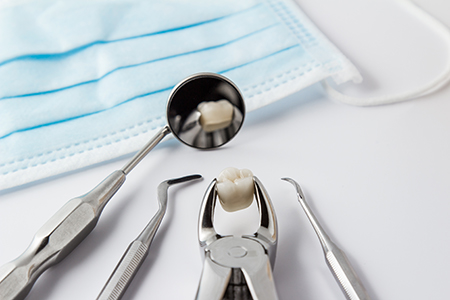
When an extraction is recommended, patients deserve clear explanations, precise technique, and thoughtful follow‑up. Our team emphasizes gentle care, modern technology, and individualized treatment plans so that each procedure is as comfortable and predictable as possible. We work to minimize anxiety and provide support at every step—from the initial consultation through recovery.
If tooth replacement is part of your long‑term plan, we will discuss options that best suit your needs, including dentures, fixed bridges, and dental implants. We focus on restoring function and appearance while helping you make choices that align with your health goals.
For patients considering extraction or seeking a second opinion, The Dental Loft at Perry Hall offers experienced clinicians, up‑to‑date diagnostic tools, and a patient‑first approach. If you have questions about extractions, preparation, or recovery, please contact us to learn more.
Tooth extraction is recommended when removing a tooth is the safest way to protect a patient’s oral health and overall well‑being. Common reasons include severe decay that cannot be restored, advanced periodontal disease that undermines support, extensive fractures, or primary teeth that impede normal development. The goal of extraction is to eliminate pain or infection and to prevent damage to neighboring teeth and tissues.
Decisions about extraction are always individualized and made after a careful clinical evaluation. Dentists consider restorative options first and recommend removal only when those options would leave the patient at greater risk. When an extraction is necessary, the treatment plan focuses on comfort, predictable healing, and long‑term function.
Determining whether a tooth can be saved begins with a comprehensive assessment that includes a medical history review, clinical examination, and diagnostic imaging such as digital radiographs. These steps let the clinician evaluate root anatomy, bone support, proximity to nerves and sinuses, and the extent of infection or damage. The dentist also weighs the predictability and longevity of possible restorations like fillings, crowns, or root canal therapy.
When medical conditions or complex anatomy increase risk, the team may consult or refer to an oral and maxillofacial surgeon to ensure safe, specialist care. Patients are informed of the findings and the reasons for recommending extraction versus attempting retreatment. This collaborative approach helps patients make confident, informed choices about their care.
Simple extractions are performed when a tooth is fully visible in the mouth and can be removed with straightforward instruments after numbing the area. These procedures are generally minimally invasive, quick, and associated with a relatively short recovery period. Surgical extractions are used for teeth that are broken at the gumline, impacted, or otherwise not easily accessible and may require a small incision, removal of a bit of bone, or sectioning of the tooth.
Surgical cases can be performed by the general dentist or, when complexity or medical risks are present, by an oral surgeon. Sutures are sometimes placed to aid healing, and patients are given tailored aftercare instructions to promote clot stability and reduce swelling. Your treatment plan will explain which technique is recommended and why it offers the most predictable outcome.
Local anesthesia is used for nearly all extractions to ensure the treatment area is numb and the procedure is comfortable. For patients who feel anxious or when procedures are more complex, additional options such as nitrous oxide (laughing gas), oral sedatives, or deeper monitored sedation may be discussed to promote relaxation. Decisions about sedation take into account the patient’s medical history, medication use, and the complexity of the extraction.
At The Dental Loft at Perry Hall we prioritize safety and monitoring during any sedated appointment and coordinate care with the patient’s physician when necessary. The team will review pre‑procedure instructions, rescheduling considerations, and recovery expectations so patients understand what to expect before, during, and after sedation. If specialized sedation or surgical access is needed, we may refer to or collaborate with an oral and maxillofacial surgeon for advanced care.
Preparation begins with clear communication about your medical history, current medications, allergies, and any chronic conditions such as heart disease, diabetes, or bleeding disorders. If sedation is planned, follow instructions about fasting and arrange for a responsible adult to drive you home and stay with you as needed. Discuss blood thinners or other medications with your dentist and prescribing physician before changing any regimen.
On the day of the procedure, wear comfortable clothing and bring any medications or documents requested by the office. Plan for a quiet recovery period at home with soft foods and limited activity, and follow any preoperative instructions provided to reduce risks and support a smooth appointment. If antibiotics or premedications are prescribed, take them exactly as directed.
After an extraction most patients experience mild to moderate discomfort and some swelling for a few days; the intensity and duration depend on the complexity of the removal and individual healing factors. To support clot formation and reduce the risk of dry socket, avoid rinsing vigorously, using straws, smoking, or sucking on hard candies during the first 24 to 72 hours. Apply ice in short intervals to limit swelling and take pain medication as instructed to maintain comfort while anesthesia wears off.
After 24–48 hours gentle saltwater rinses can help keep the site clean, and soft foods are recommended until healing progresses. If you notice sudden, severe pain a few days after the extraction, a foul taste or odor, or exposed bone at the socket, contact the office promptly as these can be signs of dry socket or infection. Early evaluation allows timely management and promotes predictable healing.
Contact the office promptly if you have brisk or prolonged bleeding that does not slow after applying pressure, increasing or severe pain not controlled by prescribed medications, or signs of infection such as fever, persistent swelling, or drainage. Also call if you experience unusual numbness that lasts longer than expected, difficulty breathing or swallowing, or if sutures become loose or come out unexpectedly. These symptoms warrant timely evaluation to prevent complications and protect oral health.
For routine concerns such as medication questions, mild swelling, or follow‑up scheduling, reach out during regular office hours for guidance. If you are unsure whether a symptom is urgent, it is better to call so the team can assess your situation and provide next steps or an appointment. Prompt communication supports safer, faster recovery.
Yes, when extraction is part of a long‑term plan your dentist will review appropriate replacement options to restore function and appearance. Common solutions include removable dentures, fixed dental bridges, and dental implants, and the recommended choice depends on factors such as the site of the missing tooth, bone volume, overall oral health, and the patient’s goals. The team will explain timing considerations, such as immediate versus delayed replacement, and whether socket preservation or bone grafting is advisable to support future restorations.
Treatment planning for replacement is individualized and coordinated so patients understand the benefits and clinical steps involved. Your dentist can help you weigh the functional and esthetic outcomes of each option and create a phased plan that fits your oral health needs. Follow‑up visits and imaging are used to monitor healing and determine the optimal time to begin restorative work after extraction.
Wisdom teeth are not always removed; the decision is based on an assessment of impaction, presence of disease, risk to adjacent teeth, and the patient’s symptoms. Removal is commonly recommended when third molars are impacted, cause recurrent infections, damage neighboring teeth, contribute to crowding, or develop significant decay that cannot be predictably treated. As the last teeth to erupt, wisdom teeth often lack sufficient space and can create problems that are easier to address earlier rather than later.
Regular evaluation with diagnostic imaging during the teen years and early adulthood helps determine whether preventive removal is advisable or if monitoring is appropriate. Complex impactions, proximity to nerves or sinuses, or medically complicated cases may require referral to an oral surgeon. Discussing timing and risks with your dentist allows for an individualized approach and safer outcomes.
The Dental Loft at Perry Hall provides patient‑centered extraction care that emphasizes clear explanations, modern diagnostics, and gentle technique to promote predictable outcomes. Our team combines up‑to‑date imaging and individualized treatment planning with attention to patient comfort and safety, including appropriate anesthesia and sedation options when needed. We prioritize coordinated care and will consult or refer to specialists for complex surgical cases to ensure the best possible results.
Patients receive tailored aftercare instructions and timely follow‑up so healing is closely monitored and concerns are addressed quickly. Whether the extraction is part of a short‑term solution or a step toward tooth replacement, the practice focuses on restoring function and supporting oral health with compassionate, professional care. If you have questions about extraction options, preparation, or recovery, our team is available to explain the process and help you make informed decisions.
Our practice helps every patient achieve a healthy, confident smile with personalized, compassionate care in a comfortable, modern environment.