A filling is a straightforward but powerful way to stop decay and rebuild a damaged tooth so it can function normally. When enamel or dentin is compromised by cavities or minor fractures, a filling restores the tooth’s shape and seals it against future bacteria, helping you chew comfortably and protect nearby teeth from further problems.
Modern filling techniques focus on conserving healthy tooth structure while creating a durable, long-lasting repair. Rather than simply plugging a hole, dentists shape and bond the material to the remaining tooth so the restoration works with — not against — the natural anatomy of the tooth.
At The Dental Loft at Perry Hall, we emphasize precise, minimally invasive methods that preserve as much healthy tooth as possible. Our approach balances reliability and aesthetics so restorations look natural and stand the test of everyday use.
People have tried to repair damaged teeth for millennia; archaeological evidence shows early attempts to fill cavities thousands of years ago. Over time, materials and methods evolved from rudimentary plugs to the sophisticated, biocompatible options available today.
In the 19th and 20th centuries, metal restorations such as gold and amalgam were common because of their strength and longevity. Advances in dental science, however, introduced resin composites, glass ionomers, ceramics, and other tooth-colored materials that combine durability with a natural appearance.
Every cavity and every patient is different. A good treatment plan matches the material and technique to the location of the cavity, the patient’s preferences, and the long-term goals for oral health. We explain options clearly so you can weigh durability, appearance, and conservation of tooth structure.

Choosing a filling material is a balance of function, look, and longevity. Some teeth — like molars used for grinding — need materials with exceptional wear resistance, while front teeth often benefit from restorations that closely match natural enamel. Your dentist will recommend a material that best suits the tooth’s demands and your cosmetic priorities.
Contemporary dentistry offers a variety of safe, proven materials. Many patients prefer tooth-colored options that blend into the smile, but in some situations, stronger or indirect restorations may be the better choice. Understanding the strengths and limitations of each material helps you make an informed decision.
Composite fillings are made from a blend of resin and glass particles and are matched to the shade of your tooth. They bond directly to tooth structure, allowing more conservative preparation and a seamless appearance. Composites are versatile: beyond fillings, they are used for bonding cosmetic improvements and small repairs.
They perform well for small to medium cavities and have the advantage of being mercurial-free and metal-free. They can be polished to a natural luster but may require maintenance over time if exposed to heavy wear or staining.
Amalgam has a long record of durability and is highly wear-resistant, which historically made it the go-to choice for back teeth. While not tooth-colored, amalgam provides a robust restoration for high-stress areas and remains a reliable option in select situations.
Glass ionomers bond chemically to tooth structure and release fluoride slowly, which can help protect against recurrent decay. They are often used in areas with limited chewing pressure, for pediatric restorations, or as temporary solutions while waiting for a more permanent restoration.
Ceramic inlays, onlays, and overlays are indirect restorations fabricated outside the mouth and then bonded into the tooth. They offer excellent aesthetics and superior stain resistance, making them a strong choice when a large portion of the tooth needs rebuilding but a full crown is not required.
Gold is a durable, biocompatible material with a history of excellent performance. Although less commonly chosen today because it isn’t tooth-colored, gold remains one of the most long-lasting options and is gentle on opposing teeth.
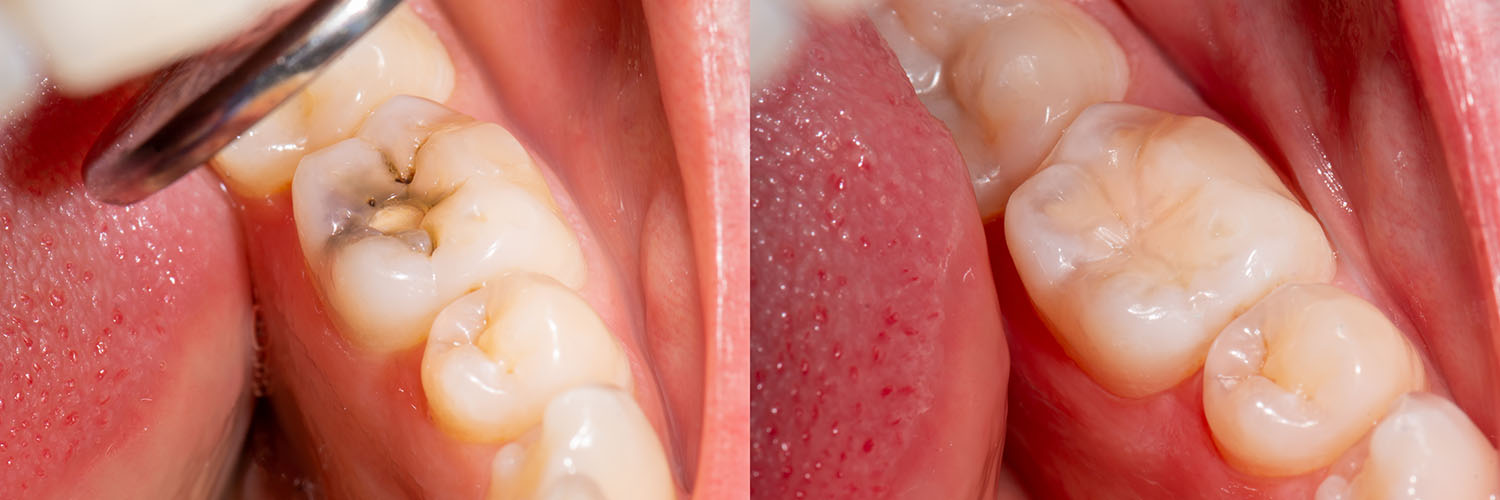
Treating a cavity is usually a focused visit that follows a predictable sequence: diagnosis, preparation, removal of decay, and placement of the chosen restoration. Before any work begins, your clinician will review the findings and outline the steps so you know what to expect.
>Local anesthesia is commonly used to ensure comfort; once the tooth is numb, decay is removed with a drill, laser, or air abrasion device depending on the situation and the clinician’s assessment. The remaining tooth is then shaped to accept the filling and to restore proper contact and bite relationships.
Direct materials like composite, glass ionomer, and amalgam are typically placed in the same appointment. For indirect restorations — such as some ceramic inlays or onlays — an impression or digital scan is taken and the final restoration is fabricated in a lab or milled in-office, with placement scheduled for a follow-up appointment.
Patients who experience dental anxiety should discuss comfort options with their team. Besides careful local anesthesia, many practices offer additional relaxation measures and sedation options to make the procedure easier for nervous patients.
After a filling is placed, there are a few straightforward things to keep in mind that promote healing and longevity. Most patients return to normal activities immediately, but brief temporary precautions help prevent accidental biting while anesthesia is still active.
A newly restored tooth may feel different for a short time. Minor sensitivity to hot, cold, or pressure is common and usually resolves within a few days to weeks. If sensitivity persists or intensifies, a follow-up appointment helps determine whether a simple adjustment or a different approach is needed.
Protect yourself until the numbness fades
Temporary numbness can last an hour or more. Avoid chewing on numb lips or cheeks to prevent accidental injury.
Expect small bite or texture changes
We check and refine your bite during the appointment, but a tiny adjustment may sometimes be necessary after you’ve used the tooth a few times. Contact your dental team if something feels uneven.
Short-term sensitivity is normal
Sensitivity following a filling is common and typically resolves on its own. Persistent or worsening pain should be reported so the cause can be evaluated.
Maintain oral hygiene to extend the life of the restoration
Regular brushing, flossing, and routine dental visits help fillings last longer and reduce the risk of decay around or beneath restorations. A durable material paired with good home care provides the best long-term result.
Our team focuses on quality workmanship and clear communication. If you have questions or notice anything unusual after treatment, please reach out to schedule a quick check-up.
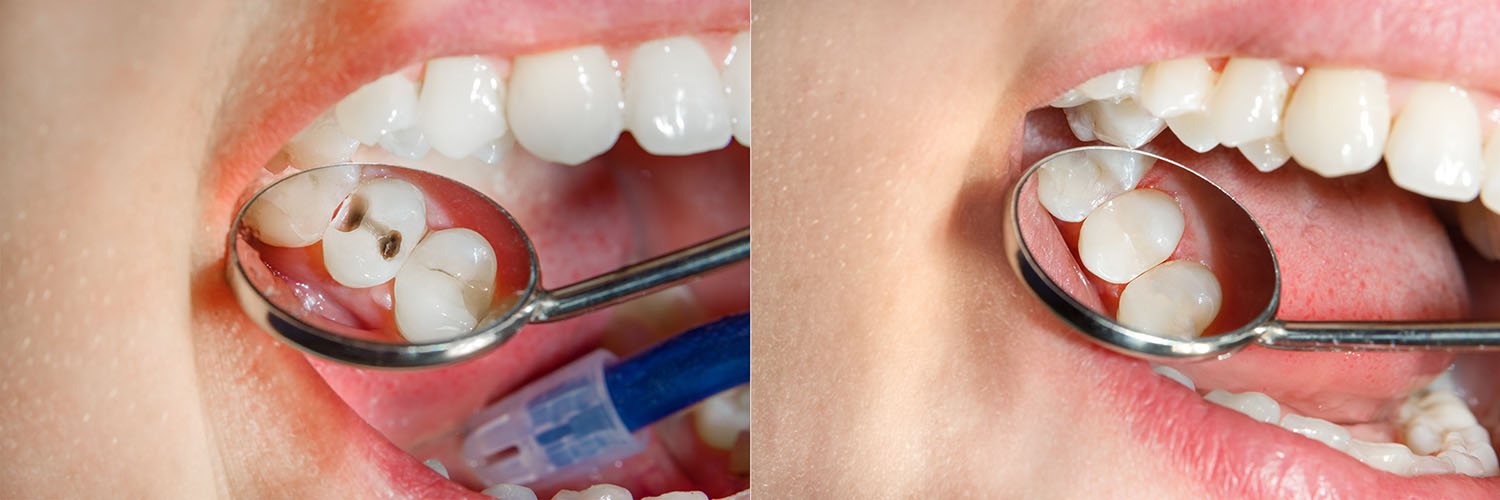
Not all damage can be restored with a simple filling. When decay is extensive or a crack affects a large portion of the tooth, a more substantial restoration — such as an inlay, onlay, crown, or root canal therapy — may be recommended to protect the tooth long-term.
Indirect restorations, like ceramic onlays or crowns, are made outside the mouth and bonded in place to rebuild form and function when a direct filling would not provide sufficient strength. These solutions preserve the root and much of the natural tooth when possible, delaying or avoiding extraction.
Your dentist will discuss the pros and cons of each option, focusing on preserving tooth structure and optimizing function. Regular monitoring and timely treatment decisions help prevent small problems from becoming complex ones.
Dental fillings are a proven, conservative way to stop decay and restore comfort, function, and appearance. From small composite repairs to indirect ceramic restorations, modern materials and techniques allow clinicians to tailor care to each tooth and patient.
If you’d like to learn more about how a filling can help preserve your smile or to discuss options for a particular tooth, please contact us for more information. Our team is available to answer questions and guide you through the best treatment path for your needs.
A dental filling is a restorative material that replaces tooth structure lost to decay or minor fracture so the tooth can function normally. Fillings stop the spread of decay by sealing the cavity and restoring proper chewing surfaces and contacts with adjacent teeth. By rebuilding the tooth’s shape, fillings also help maintain alignment and prevent further damage to nearby teeth.
Modern filling techniques emphasize conserving healthy tooth structure while creating a durable repair that works with the tooth’s natural anatomy. Dentists shape and bond the chosen material to the remaining enamel and dentin to restore strength and appearance. The result is a practical restoration that protects the tooth and preserves oral function.
Tooth-colored composite resins are made from a blend of resin and glass filler, and they bond directly to tooth structure for a conservative, aesthetic result. Amalgam restorations are metal-based and valued for their long track record of durability in high-stress areas, while glass ionomer cements bond chemically to teeth and release fluoride to help protect against recurrent decay. Each of these direct materials has different strengths, wear characteristics, and ideal uses depending on the tooth and the clinical situation.
Indirect options such as ceramic inlays, onlays, and porcelain restorations are fabricated outside the mouth and then bonded into place for superior fit and stain resistance when a larger portion of the tooth needs rebuilding. Gold restorations remain highly durable and biocompatible and are sometimes selected for their longevity and performance on back teeth. Choosing the right material involves balancing function, appearance, conservation of tooth structure, and the specific demands of the treated tooth.
Treatment begins with a careful diagnosis using visual examination, X-rays or digital scans to determine the extent of decay and the best restorative approach. Local anesthesia is commonly used to ensure patient comfort, and the clinician removes decayed tissue using a drill, laser, or air abrasion depending on the case and available technology. The tooth is then prepared and shaped to receive the chosen filling while preserving as much healthy structure as possible.
Direct materials such as composite, glass ionomer or amalgam are typically placed and finished in the same appointment, while indirect restorations like ceramic inlays or onlays require an impression or digital scan and a follow-up visit for final bonding. The restoration is contoured and polished to restore proper bite, contacts and surface texture. Patients with dental anxiety should discuss comfort and sedation options with their team prior to treatment to ensure a relaxed experience.
Aesthetic outcomes depend on the material selected and the tooth’s location; tooth-colored composites and ceramics are designed to blend with natural enamel and are difficult to detect once polished. Metal restorations such as amalgam or gold are visible but remain functional choices for specific situations where strength is the priority. Your dentist will discuss appearance expectations when recommending a material so you can weigh aesthetic priorities against functional needs.
Longevity varies with material, the size and location of the restoration, oral hygiene habits and dietary factors that affect wear. Routine dental checkups, good home care and avoiding excessive forces on the restored tooth all contribute to a longer service life. If a filling shows wear, recurrent decay, or a changed bite, timely evaluation helps determine whether repair or replacement is needed to protect the tooth.
After treatment you may experience temporary numbness from local anesthesia and should avoid chewing until sensation returns to prevent accidental injury to the lips or cheeks. It is common to notice mild sensitivity to hot, cold or pressure for a few days to a few weeks as the tooth adjusts; this typically resolves on its own. Your clinician will check the bite and may make small adjustments if the restored tooth feels high when you close.
If sensitivity persists or pain increases, contact the dental team so the restoration and surrounding tooth can be re-evaluated. Minor adjustments, polishing, or additional treatment can address most post-operative issues and restore comfort. For specific concerns or unusual symptoms, reach out to schedule a prompt follow-up with the practice.
Short-term sensitivity is a common response after placing a filling and often results from irritation of the tooth’s nerve or from temperature changes; this usually improves within days to weeks. In some cases, sensitivity persists due to deep decay, microleakage, or a high bite, and may require adjustment, replacement of the restoration, or additional treatment. Very rarely, deep decay can lead to pulpal inflammation that requires root canal therapy if symptoms do not resolve.
Allergic reactions to common dental materials are uncommon but possible, and your clinician can discuss material choices if you have known sensitivities. Proper placement technique, good moisture control, and appropriate material selection help minimize the risk of complications. Regular monitoring at dental appointments allows early detection and management of any issues that arise around a filling.
Maintaining excellent oral hygiene is the most important factor in extending the life of a filling; brush twice daily with fluoride toothpaste and floss daily to prevent decay at the margins of restorations. Limiting frequent sugary or acidic snacks and avoiding chewing on very hard objects reduces wear and lowers the chance of fracture or chipping. If you grind or clench your teeth, using a nightguard as recommended by your dentist can protect fillings and natural teeth from excessive forces.
Attend regular dental checkups so restorations can be inspected for wear, leakage or recurrent decay before problems progress. Your dentist can polish, repair, or replace compromised fillings as needed to maintain function and prevent more extensive treatment. Conserving healthy tooth structure with timely care helps preserve long-term oral health.
A simple filling may be insufficient when decay or fracture involves a large portion of the tooth, when significant structural support is lost, or when the remaining tooth cannot reliably retain a direct restoration. In such situations your dentist may recommend an inlay, onlay, crown, or root canal therapy to rebuild strength, restore proper form, and protect the tooth long-term. These indirect restorations are fabricated to cover and reinforce the damaged areas while preserving as much natural tooth as possible.
Decisions about more extensive treatment consider the extent of decay, the health of the tooth’s root, opposing tooth wear and the patient’s overall oral health goals. Timely referral to a specialist may be appropriate for complex cases that require advanced restorative or endodontic care. Regular monitoring and early intervention help prevent small cavities from becoming large restorations.
Many tooth-colored fillings, including composite resins and glass ionomer cements, are metal-free and widely used because they can be matched to natural tooth color and bonded to the tooth surface. These materials are versatile and appropriate for small to medium cavities, particularly on front teeth and visible areas where aesthetics matter. For some back teeth or large restorations, indirect ceramic restorations offer both strength and excellent appearance as a metal-free option.
Amalgam restorations contain a mixture of metals and have historically been chosen for their durability in high-stress areas; if you prefer to avoid metal-based materials, discuss alternatives with your dentist. Material selection accounts for function, conservation of tooth structure and any known sensitivities, and your clinician can recommend an appropriate, biocompatible solution for your needs.
Choosing the best material involves assessing the tooth’s location, the size and depth of the cavity, biting forces, aesthetic priorities and the amount of remaining healthy tooth structure. The clinician also considers factors such as moisture control at the treatment site, the patient’s oral hygiene habits and any history of sensitivity or material-related reactions. A shared discussion about the pros and cons of each option helps ensure the selected restoration aligns with the patient’s functional and cosmetic goals.
At The Dental Loft at Perry Hall, we evaluate each case individually and explain material choices so patients can make an informed decision that balances longevity, appearance and conservation of tooth structure. When appropriate, we offer both direct and indirect solutions and recommend the option that best preserves healthy tooth tissue while restoring reliable function. Ongoing preventive care and routine checkups complete the plan to help maintain the restoration over time.
Our practice helps every patient achieve a healthy, confident smile with personalized, compassionate care in a comfortable, modern environment.